Definition of waste and B3
Definition of Waste
Residues generated from a business, activity, or production, both from industrial and household activities. Where there is life, there are various types of waste.
Definition of B3 Waste
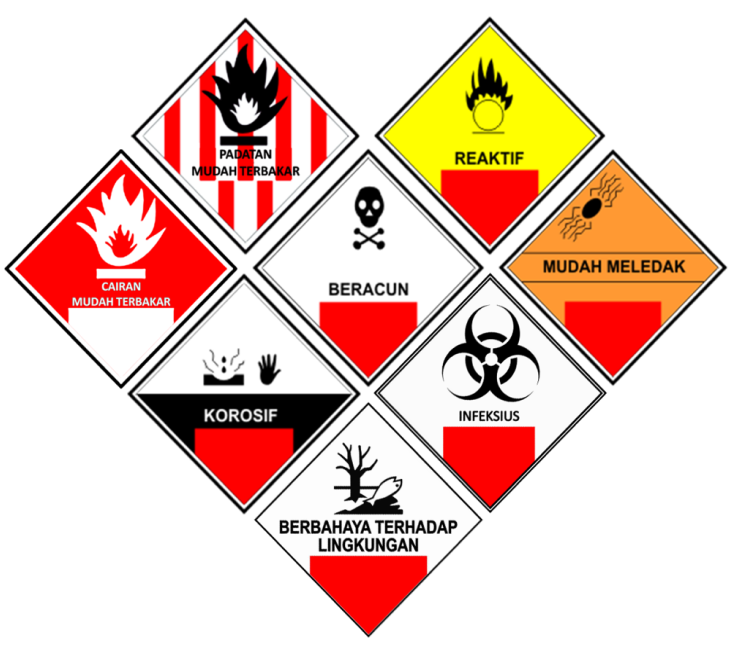
Residues from business activities and/or operations that contain substances, energy, or components which, due to their nature, concentration, and/or quantity, either directly or indirectly, can pollute, endanger, or damage the environment and all living creatures without exception. Due to their nature and concentration, LB3 requires special handling and can be classified as shown in the image on the side.

SOLID THAT BURNS EASILY
Solid materials that can easily burn when exposed to heat, fire, or friction.

LIQUID THAT BURNS EASILY
Liquid materials that have a low flash point and are easily combustible.

REACTIVE
Materials that can react violently with air, water, or other materials, producing toxic gases or excessive heat.

POISON WASTE
Materials that can cause death or serious injury if ingested, inhaled, or absorbed through the skin.

EASILY EXPLOSIVE
Materials that can explode due to heat, friction, pressure, or shock.

CORROSIVE
Substances that can damage living tissue or metal surfaces.

INFECTIOUS
Substances containing pathogenic microorganisms that can cause serious illness.
HAZARDOUS TO THE ENVIRONMENT
Substances that can contaminate or damage the environment, especially aquatic ecosystems.